Advancing Climate Action in Indonesia: The FINCAPES Initiative on Carbon Finance
Advancing Climate Action in Indonesia: The FINCAPES Initiative on Carbon Finance
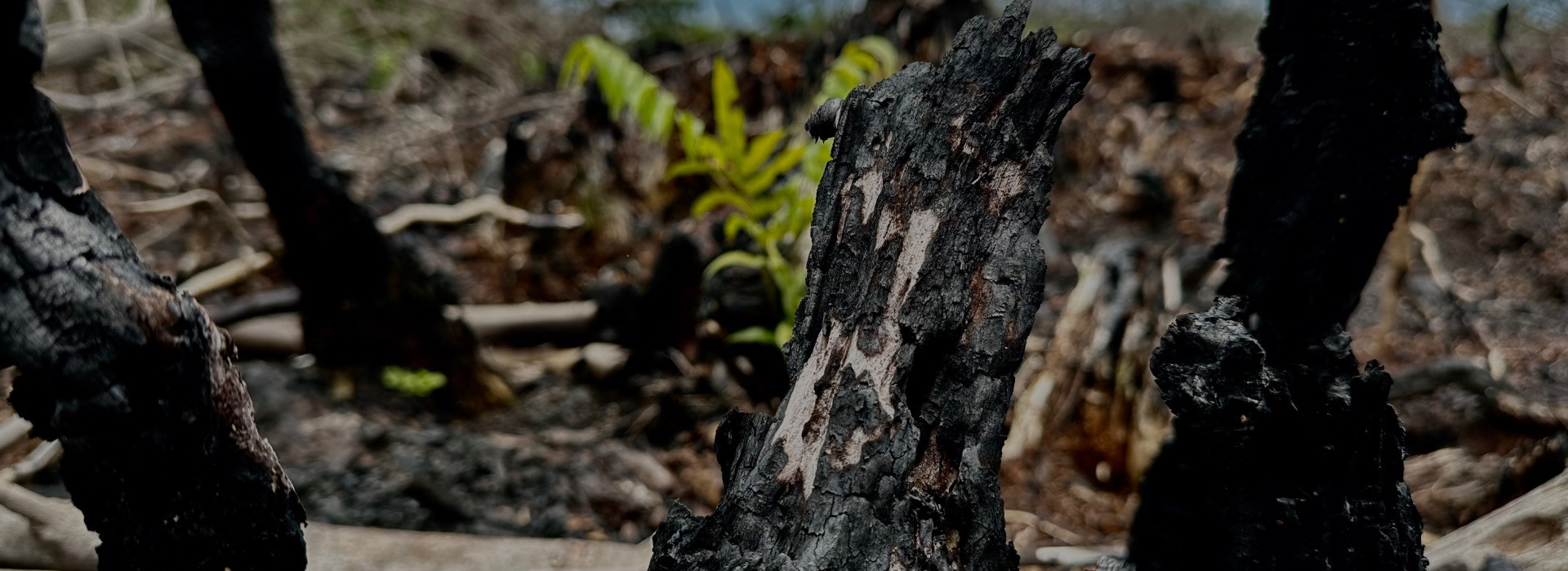
Indonesia, the world’s fourth most populous nation, is uniquely positioned to significantly influence global carbon emissions due to its rapid economic growth and extensive natural resources. The country encompasses vast forest lands that cover approximately 51% of its total area, serving as vital carbon sinks. The Forestry and Other Land Use (FOLU) sector, crucial to the nation's climate strategy, is projected to reduce emissions by up to 25.4% by 2030 under the CM-2 scenario. This highlights the sector's crucial role in achieving Indonesia’s ambitious climate targets.
The Flood Impacts, Carbon Pricing, and Ecosystem Sustainability (FINCAPES) project, supported by Global Affairs Canada, aims to strengthen Indonesia’s response to climate change. It focuses on enhancing governance capacities related to carbon taxes, carbon capping, and trading systems, which are essential for mitigating Indonesia’s greenhouse gas emissions. This is especially critical given the country’s significant contributions to global emissions from both the forestry and energy sectors.
A central component of the FINCAPES project is climate finance—an area that supports various activities and policies aimed at climate change mitigation and adaptation. This involves strategic investment and mobilization of resources to enable the country to meet its environmental and economic needs simultaneously, addressing the urgent issue of climate change while fostering sustainable growth.
FINCAPES has conducted extensive scoping studies to understand and effectively implement climate finance strategies. These studies are pivotal in identifying strategic issues and research needs concerning carbon pricing and carbon balancing in Indonesia. Key insights from the studies include:
- Carbon Pricing: There is a critical need for a comprehensive framework that includes accurate emission measurement and assessment (MRV systems), equitable pricing mechanisms, and substantial stakeholder involvement to ensure effective implementation and broad acceptance.
- Carbon Offset: Emphasizes the importance of sustainable forest management, strong governance, and clear land ownership policies for successful carbon offset projects.
- Capacity Building and Technical Support: Highlights the necessity of building local capacities in emissions monitoring and developing technological platforms to support these initiatives.
Moving Forward with Research and Capacity Building
Looking ahead, FINCAPES is committed to further supporting Indonesia through targeted research and capacity building in climate finance. Planned activities include:
- Collaborative Research Initiatives: Partnering with academic institutions to establish research centers focused on climate finance policy, serving as hubs for developing new strategies and sharing best practices.
- Capacity Building Programs: Implementing training sessions, study visits, and mentorship programs to enhance the skills of government officials and stakeholders in climate finance, carbon pricing, and carbon markets.
- Multi-Stakeholder Engagement: Creating think tanks and networks to foster dialogue and cooperation among government bodies, businesses, NGOs, and international partners, aligning efforts and scaling up Indonesia’s climate response.
FINCAPES' role is vital in navigating the challenges of implementing carbon pricing and carbon offset policies in Indonesia. The country's commitment, evidenced by its Enhanced Nationally Determined Contributions (ENDC), aims for a substantial reduction of emissions by 2030. Achieving these targets necessitates robust implementation of carbon pricing and carbon offset policies, effective tools for encouraging a transition to a low-carbon economy. Addressing challenges such as the lack of clear policy information and enhancing understanding through scoping studies are crucial for ensuring that Indonesia not only meets its climate targets but also sets a sustainable path forward for economic growth aligned with environmental conservation.